Following extraction, the ore is dried, crushed or milled, screened and air classified into defined particle-size ranges. The bound water responsible for expansion remains within the mineral structure during this preparation stage.
Control of particle size and moisture is essential to subsequent performance. A consistent feed supports stable material flow through handling and dosing equipment and allows expansion conditions to be adjusted more accurately. Different ore fractions may also be selected or blended according to expansion potential, softening behaviour, finished density and the requirements of the intended application.
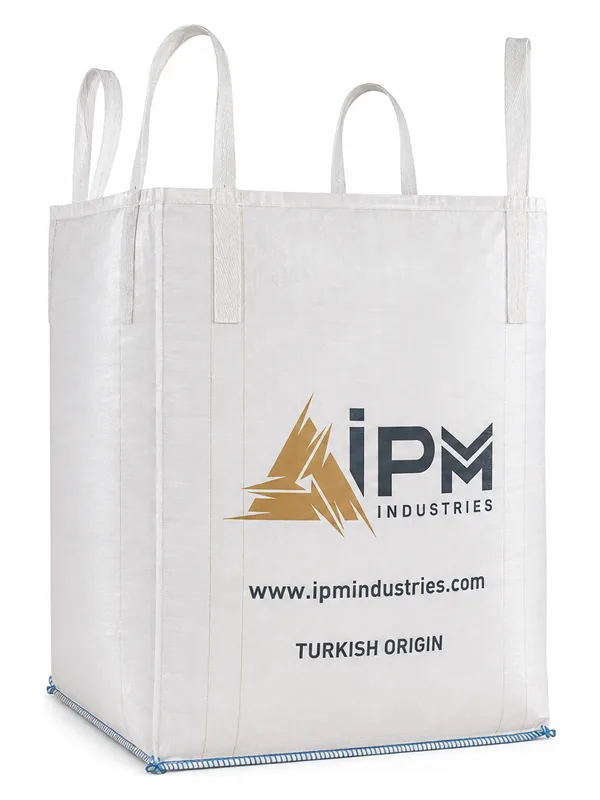
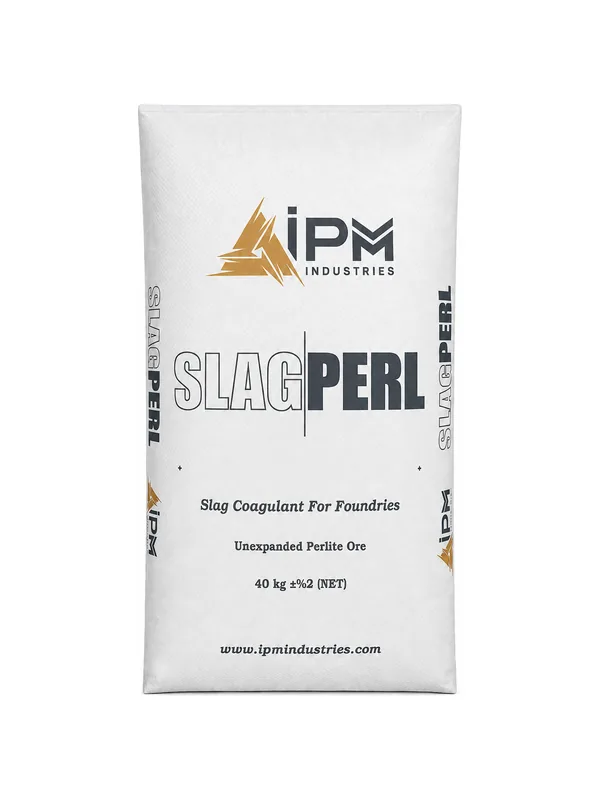
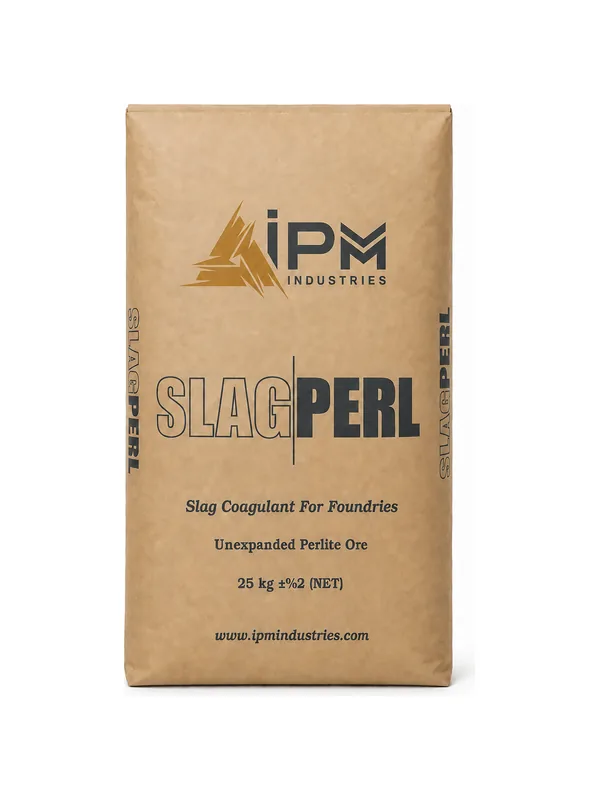
IPERLIT grades cover the graded unexpanded range supplied for direct industrial use and as feedstock for expansion. SLAGPERL is the foundry grade, used for slag coagulation on molten metal. Graded unexpanded perlite is supplied either for direct industrial use or as feedstock for further expansion. Unexpanded grades can be used in selected high-temperature and foundry applications, including slag coagulation, while expansion-grade material is processed at regional facilities, customer plants or directly at large project sites. This approach is particularly practical because compact unexpanded ore is more efficient to transport and store than the lightweight, high-volume material produced after expansion.
At the expansion plant, classified ore is introduced into a controlled high-temperature process. The water bound within the volcanic glass turns to vapour, expanding the particles and creating the characteristic lightweight cellular structure. Particle-size distribution, ore quality, feed rate, temperature and residence time all influence the properties of the finished material.
Across the three production plants, integrated control of drying, size reduction and classification supports reliable supply, consistent feed quality and the production of grades suited to a broad range of industrial expansion systems and end-use requirements.
Brands
Narrow by use