Home›Operations›Quality Control
Quality Control
Quality control operates as one connected system across the entire production chain.
Operations
Raw material is assessed at the quarry face, processing runs follow documented recipes, and finished products are released against controlled specifications. Test results, production settings and release records are linked to the relevant batch, maintaining continuity from the geological source to the delivered product.
This approach establishes quality before production begins rather than relying only on final inspection. Geological selection, stockpile management, process control, laboratory testing and shipment release are treated as connected stages of the same quality system.
In-House Laboratory
Testing and analysis are carried out in an in-house laboratory specialising in perlite. The laboratory supports exploration, quarry operations, classified-ore production, expansion and advanced processing. It also provides external testing and reporting services for perlite samples.
The testing programme covers the physical, chemical, mineralogical and performance characteristics that determine how perlite behaves during processing and in its final application.
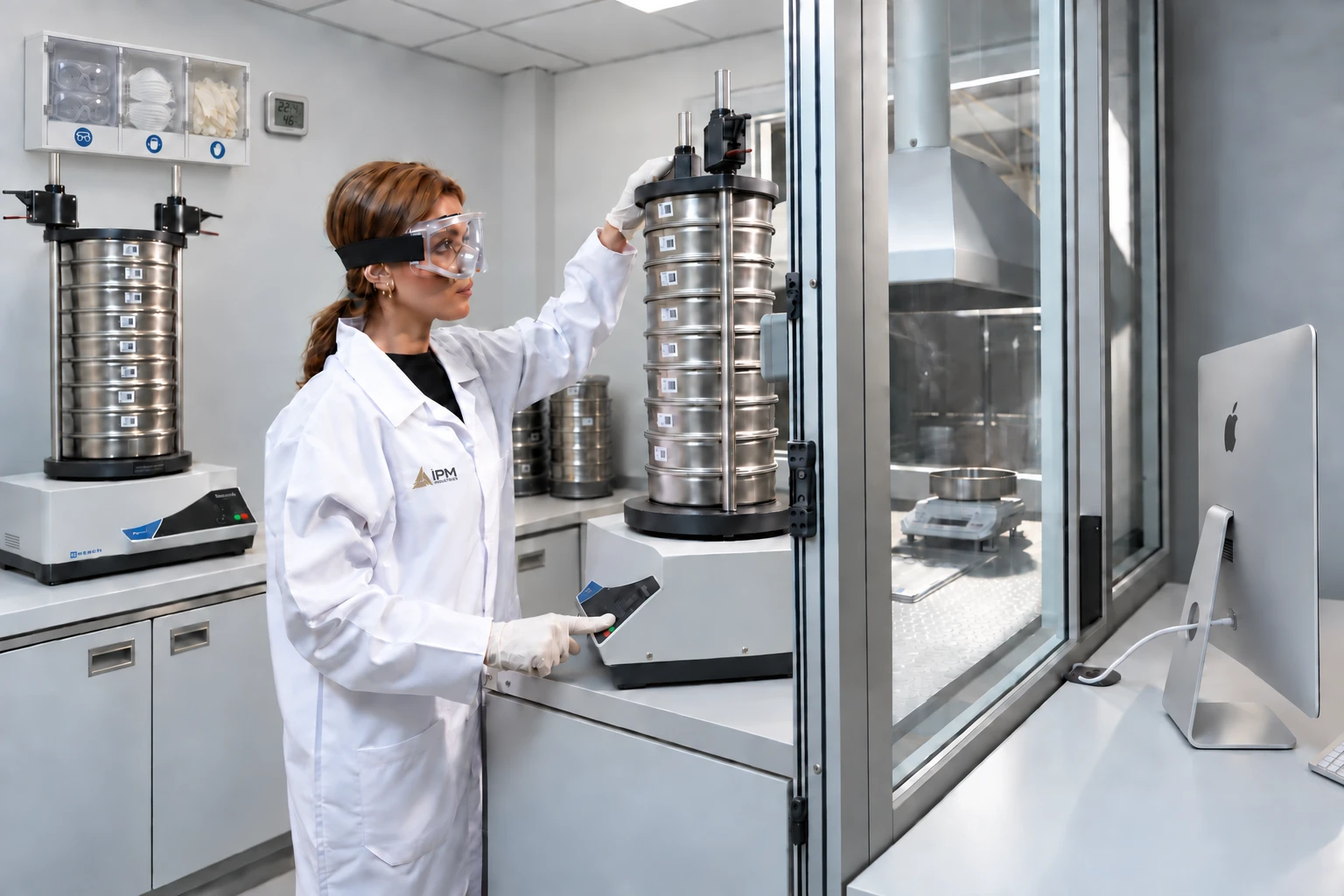
Particle-size distribution is measured through sieve analysis, while free and combined moisture are monitored according to the relevant production requirement. Expansion testing evaluates loose and tamped bulk density, mass and volume yield, unexpanded content and overall expansion behaviour.
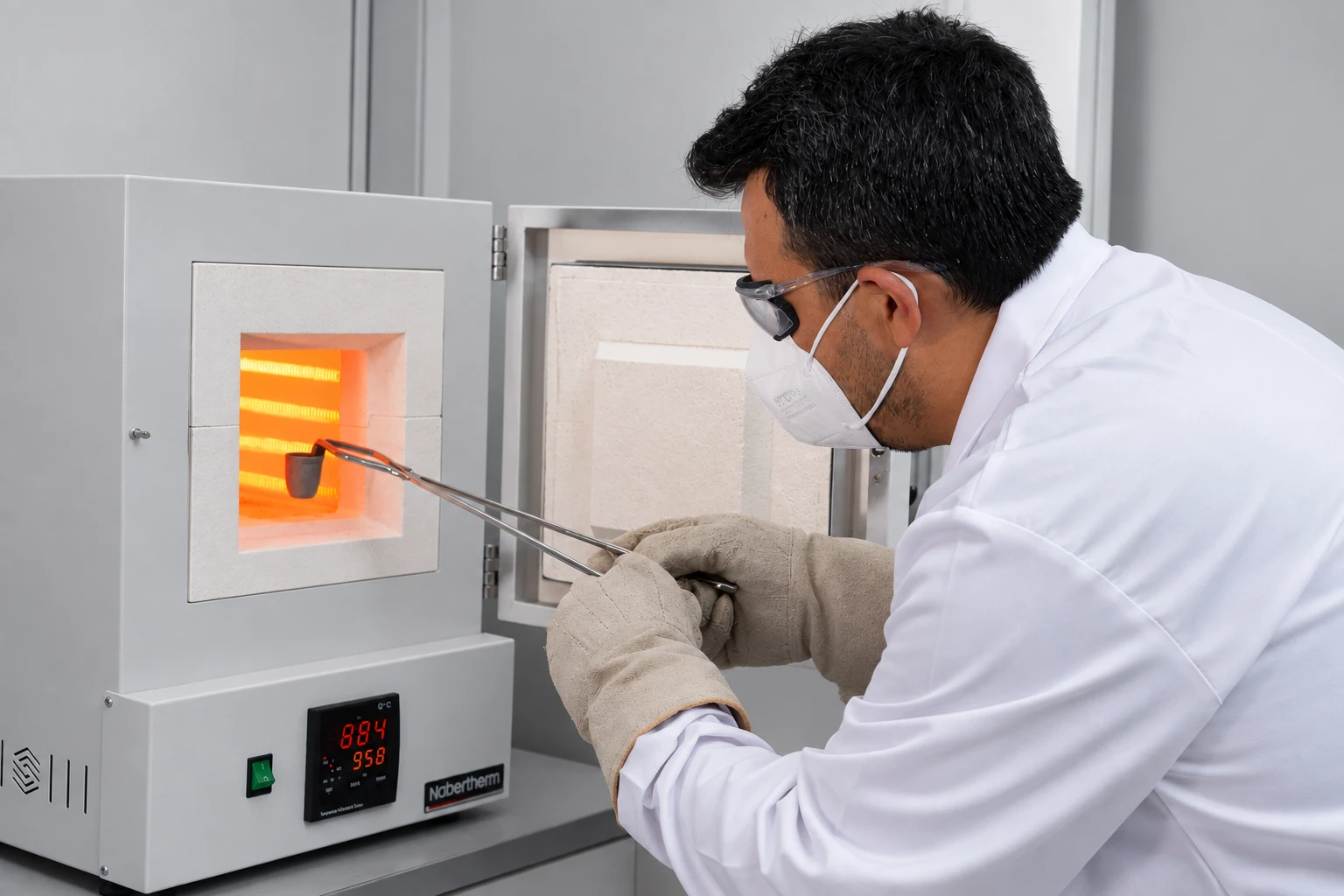
Additional testing covers compaction resistance, floaters and sinks, filter-aid flow rate, cake density, oxide composition, mineralogical phases, grindability, loss on ignition and organic content. Screening for radioactive content is also carried out where required by the product, application or target market.
Production Recipes
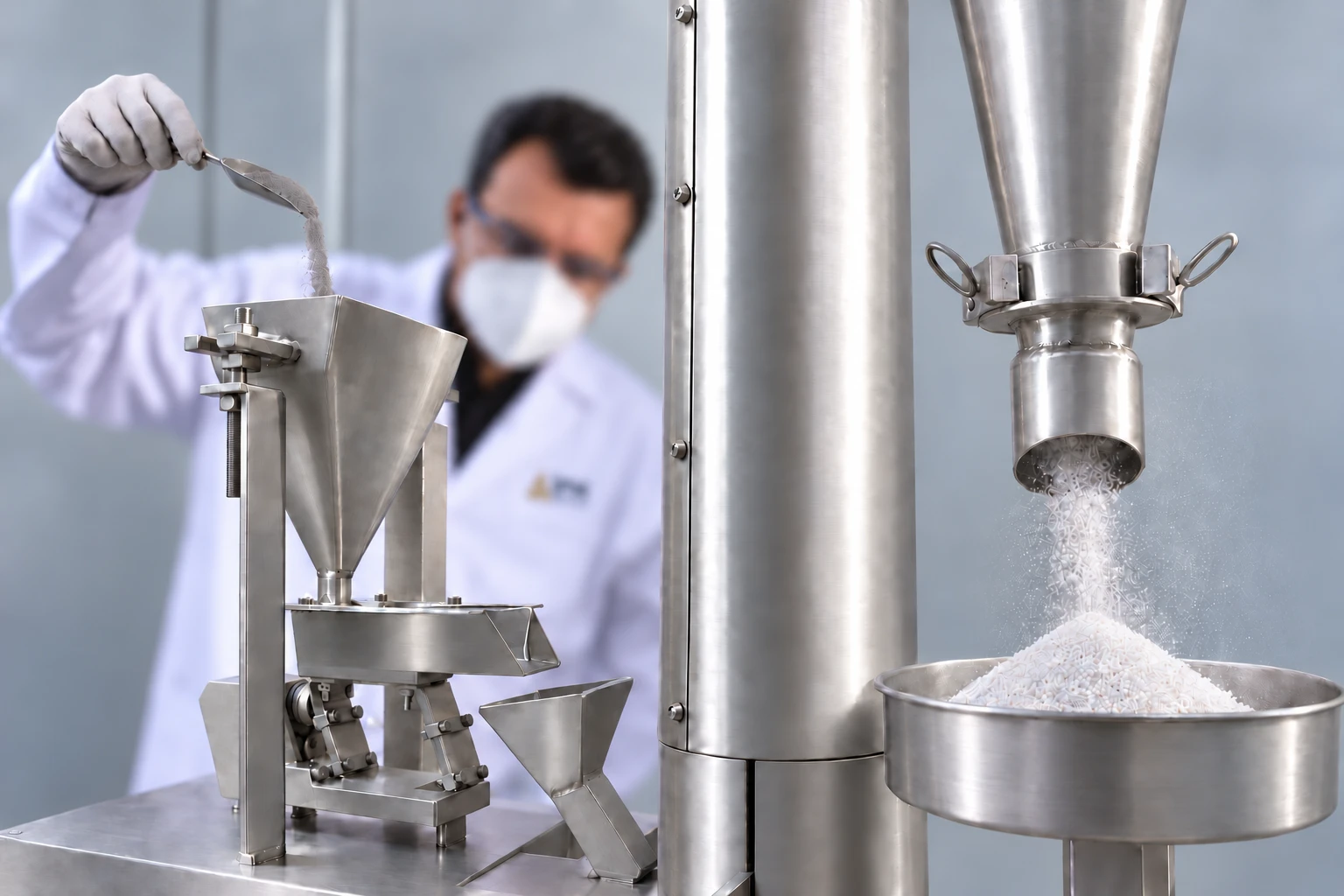
Each production run follows a documented raw-material recipe defining the stockpiles to be used and their blending ratios. Recipes include reference values and achieved results for key parameters such as bulk density, unexpanded content, mass yield and volume yield.
Raw materials are sampled and assessed before the production run begins. This allows stock selection and blending ratios to be adjusted in advance, helping the processing plant receive consistent and application-appropriate feed.
Documented recipes are maintained for standard grades as well as customer-specific products. Results from production and laboratory testing are reviewed and used to refine future runs where necessary.
Product Specifications and Release
Every product is manufactured against a controlled specification covering particle-size distribution, expansion performance, physical properties and chemical composition. The applicable parameters depend on the intended use and may include additional application-specific requirements.
Finished material is tested against the specification before release. Each consignment is accompanied by the relevant quality documentation, providing confirmation that the product meets the defined requirements.
Specifications are maintained as controlled documents with an assigned document number, release date and revision history. This ensures that production, laboratory and commercial teams work against the same approved criteria.
Batch Traceability
Each production batch receives a unique identifier linked to its production shift, raw-material recipe, laboratory results and processing records. Packaged products are labelled according to customer and regulatory requirements and remain traceable to the source material used in production.
Retained samples are archived for subsequent reference. If a technical question arises after delivery, the relevant production data can be reviewed together with a representative sample of the material itself.
This traceability continues through packaging and shipment, connecting the finished product with its certificate, delivery details and customer order.
Certification and Documentation
The group's mining and processing operations hold ISO 9001:2015 and ISO 14001:2015 certification. The Spanish production operation maintains its own certifications and participates in the Perlite Institute.
Safety data sheets are published for the relevant products, while technical documentation provides the principal physical and performance characteristics of each grade. Questions extending beyond standard documentation are reviewed by the technical and commercial teams with support from the laboratory.
By integrating geological control, documented production recipes, specialist testing, controlled specifications and full batch traceability, the quality system provides consistent oversight from the quarry face to final delivery.